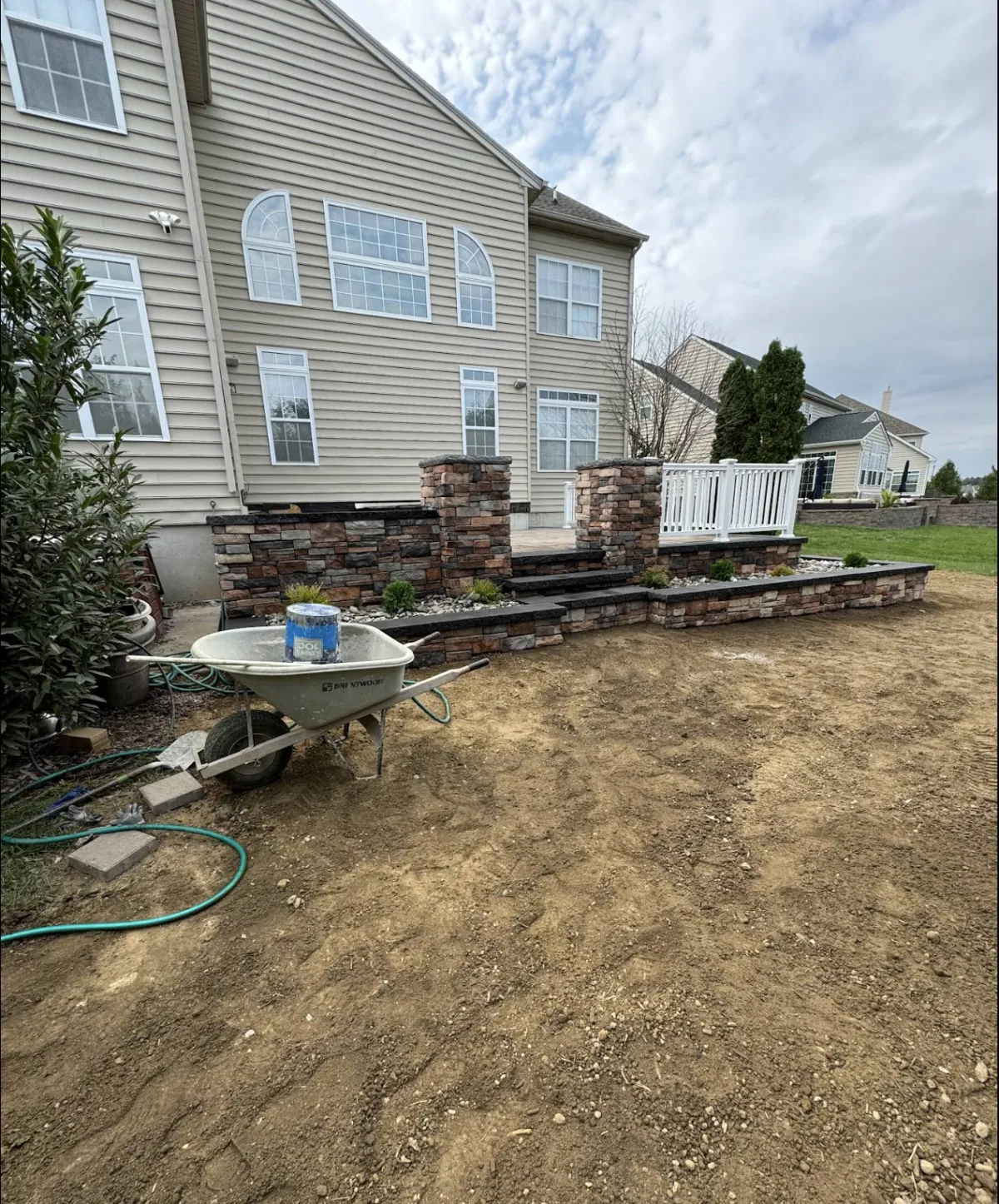
5 Signs Your Delaware Yard Needs a Drainage Solution | Delaware Dreamscapes
Delaware gets an average of 45 inches of rain per year. Add in spring snowmelt, summer thunderstorms, and the heavy precipitation that coastal storms push inland, and it's clear why proper yard drainage is one of the most important and most overlooked aspects of outdoor property management in this region.
Poor drainage doesn't just create an inconvenient soggy lawn. Left unaddressed, water that pools around your home can erode soil, damage your foundation, kill grass and garden beds, and create a breeding ground for mosquitoes. The good news is that most drainage issues are fixable with the right system. The first step is recognizing that there's a problem.
Here are five signs that your Delaware yard is telling you it needs professional attention.
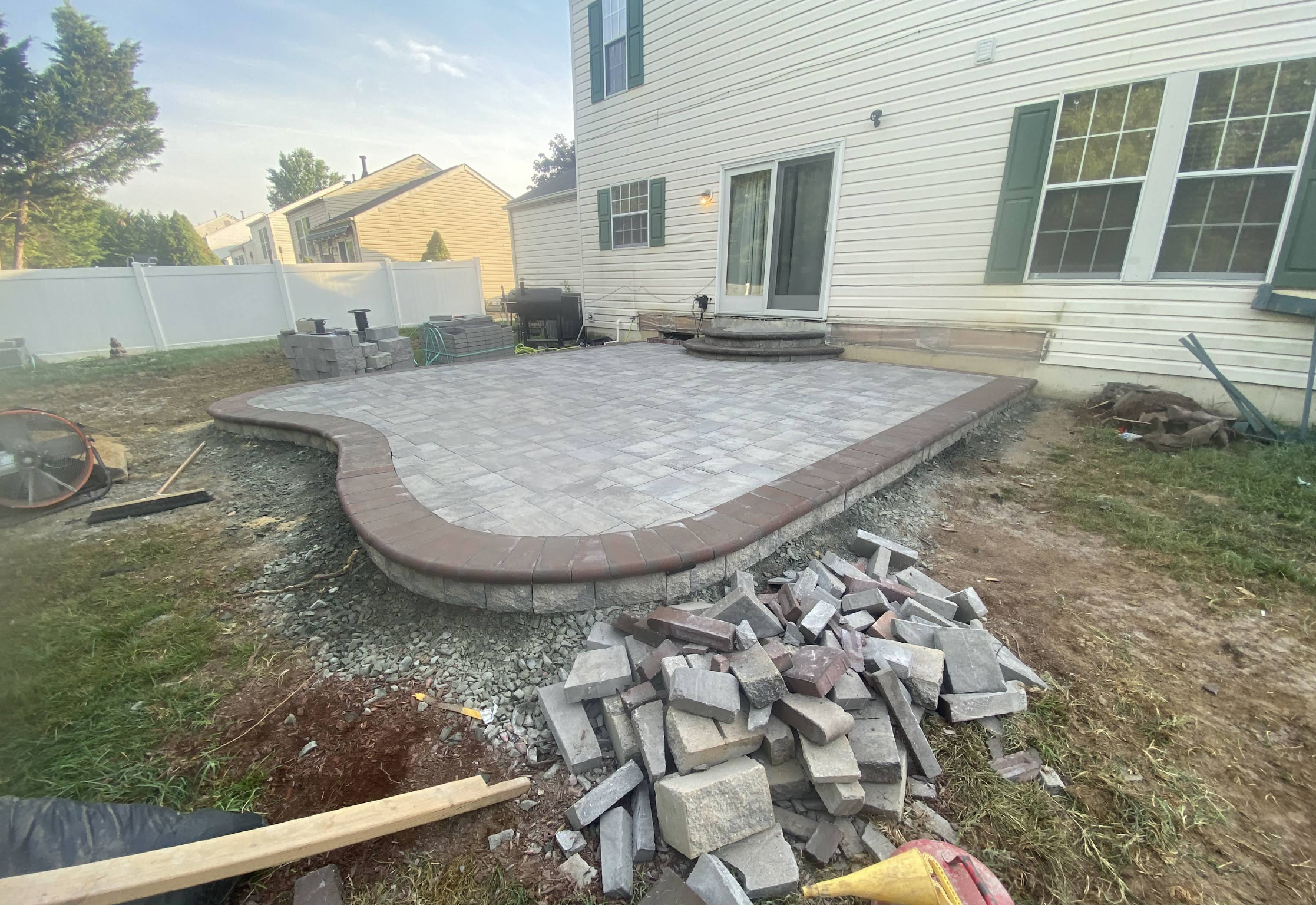
Sign 1: Standing Water That Lingers for Days After Rain
A few puddles immediately after a heavy downpour are normal. But if you're still seeing standing water 24–48 hours after rain stops, that's a clear sign your soil isn't draining properly. This is especially common in yards with heavy clay soil which is prevalent throughout Delaware because clay holds water and allows very little percolation.
Chronic standing water will gradually compact your soil further, suffocate grass roots, and create dead patches throughout your lawn. Over time, it can also saturate the soil near your home's foundation, increasing hydrostatic pressure and the risk of basement seepage.
Sign 2: Water Stains or Dampness in Your Basement
If you're noticing water stains on your basement walls, a musty odor, or visible moisture during or after rain, yard drainage may be contributing to the problem. When the ground around your foundation becomes saturated, water finds the path of least resistance and that path often leads inward.
Before investing in expensive interior basement waterproofing systems, it's worth having your yard grading and perimeter drainage evaluated. Correcting how water flows away from your home at the surface level is often a more effective and affordable solution.
Sign 3: Soil Erosion or Mulch Washing Away
After every significant rain, do you find mulch from your garden beds scattered across the lawn or driveway? Do you notice bare, exposed roots in landscape areas, or small channels carved into slopes of your yard? These are classic signs of water moving too fast across your property without a managed pathway.
Erosion not only looks unsightly it strips away the topsoil that your plants and grass depend on, and the displaced sediment can clog storm drains and damage neighboring properties. Grading corrections, retaining features, and strategically placed drainage channels can redirect water flow and stop erosion in its tracks.
Sign 4: Your Lawn Has Perpetually Wet or Spongy Spots
You're mowing on a dry day, three days after the last rain, and certain areas of your lawn still feel soft and spongy underfoot. This is a sign of a subsurface drainage issue. Water is pooling beneath the surface in localized low spots, often because the subgrade wasn't properly leveled during construction or because soil has settled unevenly over time.
Beyond the aesthetic and usability issues, these wet zones are prime habitat for lawn fungi, moss, and pest insects. They also make it nearly impossible to establish healthy turfgrass in those areas without first addressing the underlying water issue.
Sign 5: Downspout Discharge Flowing Toward Your Home
Walk around your home during or after a rainstorm and watch where your downspouts discharge water. Ideally, that water should flow away from the foundation and dissipate into the yard without pooling. If you see water flowing back toward the house, pooling at the base of the foundation, or saturating a small area that then remains wet, your drainage setup is working against you.
Simple downspout extensions can help in mild cases, but significant grading issues or high volumes of roof runoff often require a more engineered solution such as a French drain, dry creek bed, or underground pipe system to carry the water safely away from the structure.
What Can Be Done?
The most effective drainage solutions depend on your specific yard topography, soil type, and the nature of the problem. At Delaware Dreamscapes Patio, we assess each property individually and design systems that actually match the land not cookie-cutter fixes that fail after a season.
Common solutions we install include French drains to intercept and redirect subsurface water, surface grading corrections to reshape water flow patterns, channel drains integrated into hardscape areas like patios and driveways, dry creek beds that manage water flow while adding a beautiful naturalistic landscape feature, and downspout extension systems that safely move roof runoff far from the foundation.
Many drainage projects can also be combined with patio and hardscape installations, creating an outdoor space that's both beautiful and properly engineered for water management.
Don't Wait Until the Damage Is Done
Drainage issues rarely resolve themselves. They tend to worsen over time as soil compacts, erosion accumulates, and water finds increasingly damaging pathways. If you recognize any of the signs above in your Delaware yard, the best time to act is before next season's rains arrive.
Delaware Dreamscapes Patio serves homeowners throughout New Castle County and into Pennsylvania. Call (302) 696-2059 to schedule a free on-site evaluation, or request a quote online. We'll assess your drainage challenges, explain your options clearly, and build a system designed to protect your property for decades.
